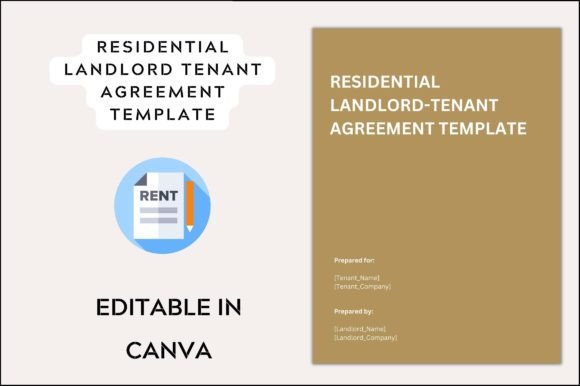
Landlord and Tenant Agreement
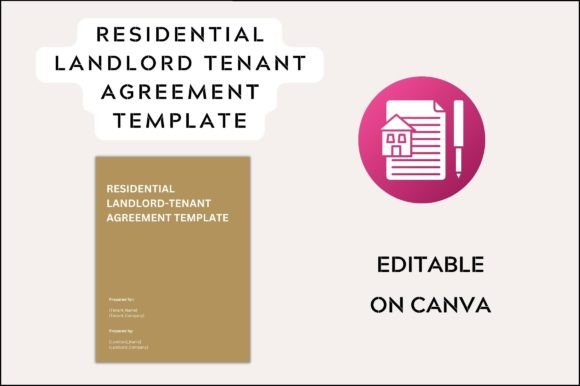
A Landlord and Tenant Agreement is a legal document that outlines the terms and conditions of a rental arrangement between a property owner and a tenant. It serves as a clear and binding contract that protects both parties by defining responsibilities, rights, and expectations. Whether you're a real estate agent, a private homeowner, or a small business owner looking to rent space, having a well-structured agreement is essential for smooth operations and minimizing disputes.
This type of agreement is especially useful for those who want to establish professionalism and clarity in their rental processes. A customizable and editable template can be a game-changer, allowing users to tailor the document to their specific needs without requiring legal expertise. With the right template, creating a professional-looking lease agreement becomes quick, easy, and cost-effective.
Why Use a Landlord and Tenant Agreement Template?
Using a pre-designed template offers several advantages. It saves time, ensures consistency, and provides a structured format that covers all necessary elements of a lease. From rental terms and security deposits to maintenance responsibilities and termination clauses, a good template includes everything needed to create a comprehensive agreement.
For small businesses, real estate professionals, and homeowners, these templates are a practical solution. They allow users to focus on their core activities while ensuring that their rental agreements are legally sound and easy to understand. The ability to edit elements like color, font, and layout makes it simple to align the document with brand identity or personal preferences.
Creative Applications of Landlord and Tenant Agreements
The versatility of a Landlord and Tenant Agreement extends beyond just residential leases. It can be adapted for commercial spaces, short-term rentals, or even co-living arrangements. For instance, a digital nomad might use a customized agreement to outline house-sitting terms, while a local business could use it to define office rental conditions.
Designers and marketers can also leverage these templates to create visually appealing documents that reflect their brand style. By using tools like Canva, users can drag and drop elements, adjust layouts, and add logos or images to make the agreement more engaging and professional. This level of customization allows for unique interpretations that suit different audiences and platforms.
How to Customize Your Agreement
One of the biggest benefits of an editable template is the flexibility it offers. Users can modify text, adjust formatting, and even resize the document to fit different printing needs. Whether you need a standard A4 size for printing or a digital version for email, the template can be adapted accordingly.
Editing features like changing colors, fonts, and background options allow for personalization without compromising readability. This is particularly useful for businesses that want to maintain a consistent look across all their documents. Additionally, the ability to add custom clauses or remove unnecessary sections ensures that the final document meets specific requirements.
Practical Tips for Using the Template
Before finalizing your agreement, review all sections carefully to ensure accuracy and completeness. Include details such as the names of the landlord and tenant, the property address, rental amount, payment schedule, and any special conditions. Clear communication is key to avoiding misunderstandings down the line.
It’s also a good idea to consult local laws and regulations to ensure that the agreement complies with legal standards. While templates provide a solid foundation, they should not replace professional legal advice when dealing with complex situations. However, for straightforward rentals, a well-crafted template can be sufficient.
Who Can Benefit from This Template?
This template is ideal for a wide range of users. Real estate agents can use it to streamline their leasing process, while private landlords can ensure that their rental agreements are clear and legally sound. Small business owners who rent office space or retail locations can also benefit from a customizable and professional-looking document.
Freelancers and entrepreneurs who offer co-working spaces or short-term rentals can use the template to set clear expectations with their clients. Educators and community organizers may find it useful for managing shared spaces or housing arrangements. The possibilities are endless, making this tool valuable for anyone involved in rental agreements.
Getting Started with the Template
Downloading and using the template is straightforward. Once you have the file, you can open it in a compatible program and begin editing. Whether you prefer a PDF, PNG, or SVG format, the template is designed to be user-friendly and accessible. No technical skills are required—just a bit of creativity and attention to detail.
After customizing the document, print it out for physical copies or share it digitally with tenants. The ease of use ensures that even those with limited experience can create a professional-looking agreement in minutes. Plus, since the template is free to download, there's no financial barrier to getting started.
Final Thoughts
A well-designed Landlord and Tenant Agreement is more than just a legal formality—it's a tool that promotes clarity, trust, and professionalism. By using an editable and customizable template, users can save time, reduce errors, and create documents that meet their specific needs. Whether you're a first-time landlord or an experienced real estate professional, this resource can help you build a stronger, more organized rental process.
With the right template, you can ensure that your agreements are not only legally sound but also visually appealing and easy to understand. Take advantage of this practical solution to enhance your business operations and create a better experience for both you and your tenants.