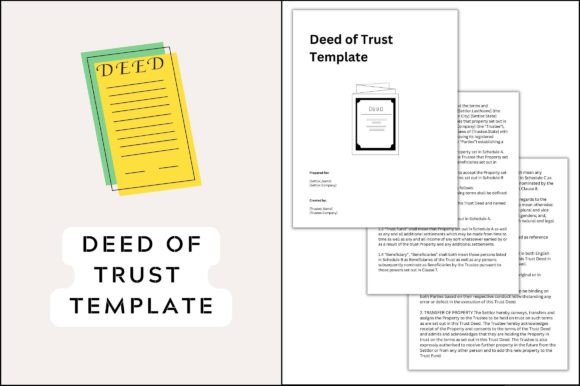
Deed of Trust Template: A Comprehensive Guide for Business Professionals
In the world of business, legal documents play a crucial role in establishing trust, securing assets, and defining responsibilities. One such essential document is the Deed of Trust Template. Designed to serve as a formal agreement between parties, this template provides clarity, structure, and legal protection. Whether you're launching a new venture or managing existing assets, understanding how to use a Deed of Trust Template can significantly enhance your professional image and operational efficiency.
Understanding the Deed of Trust Template
A Deed of Trust Template is a legal document that outlines the terms and conditions of a trust arrangement. It is commonly used in real estate transactions, where a borrower (trustor) transfers property to a trustee, who holds it as security for a loan. The document ensures that the borrower meets their obligations, and if they fail, the trustee has the right to sell the property to recover the debt. This type of template is particularly useful for businesses looking to establish clear financial agreements and protect their interests.
The Deed of Trust Template is not just a formality; it is a critical tool that helps prevent disputes and misunderstandings. By clearly defining the roles of each party involved, it promotes transparency and accountability. For small businesses, using a well-structured Deed of Trust Template can make a significant difference in how they are perceived by clients, partners, and investors.
Key Features of a Deed of Trust Template
When searching for a Deed of Trust Template, you’ll find that many options are available, including printable versions that are easy to edit and customize. These templates often come with several key features that make them ideal for business use:
- Editable Content: Most Deed of Trust Templates allow users to modify text, images, and formatting to suit their specific needs.
- Customizable Design: From fonts to background colors, these templates offer flexibility to match your brand identity.
- Multiple File Formats: Many templates are available in PDF, PNG, SVG, and JPG formats, making them accessible for various uses.
- Ready-to-Print: Once customized, the template can be printed directly, ensuring convenience and professionalism.
These features make the Deed of Trust Template an invaluable resource for businesses of all sizes. Whether you're creating a sample document or preparing for a real transaction, having a reliable template can save time and reduce errors.
How to Use a Deed of Trust Template
Using a Deed of Trust Template is straightforward, especially when you have access to an editable version. Here’s a simple workflow to follow:
- Choose the Right Template: Select a Deed of Trust Template that matches your specific needs. Consider factors like the number of pages, file format, and customization options.
- Customize the Document: Edit the template to include relevant details such as the names of the parties involved, the property description, and the terms of the trust.
- Review and Finalize: Ensure that all information is accurate and that the document reflects the agreed-upon terms. Make any necessary adjustments before finalizing.
- Print or Share: Once complete, you can print the document for physical records or share it digitally with stakeholders.
This process is made easier with tools like Canva, which allows users to drag and drop elements, resize content, and adjust visual elements with ease. The ability to customize the template ensures that your Deed of Trust Template is both professional and personalized.
Benefits of Using a Deed of Trust Template
There are numerous benefits to using a Deed of Trust Template, especially for businesses that need to manage assets and financial agreements efficiently. Some of the main advantages include:
- Saves Time: Pre-designed templates eliminate the need to start from scratch, allowing you to focus on other important aspects of your business.
- Reduces Errors: With a structured format, the risk of missing critical information is minimized, leading to more accurate and legally sound documents.
- Enhances Professionalism: A well-crafted Deed of Trust Template reflects a high level of organization and attention to detail, which can improve your business's reputation.
- Improves Clarity: Clear language and defined terms help all parties understand their rights and responsibilities, reducing the potential for conflicts.
By leveraging a Deed of Trust Template, businesses can streamline their operations and ensure that their legal documents meet the necessary standards. This is particularly important in industries where trust and transparency are paramount.
Use Cases for a Deed of Trust Template
The Deed of Trust Template is versatile and can be applied in various scenarios, depending on the nature of the business and the assets involved. Some common use cases include:
- Real Estate Transactions: In real estate, a Deed of Trust Template is often used to secure a mortgage or loan. It ensures that the lender has a claim on the property if the borrower defaults.
- Business Loans: When a business takes out a loan, a Deed of Trust Template can be used to secure the loan against company assets, providing a safety net for the lender.
- Asset Protection: For entrepreneurs and business owners, a Deed of Trust Template can help protect personal assets by separating them from business liabilities.
- Trust Management: In estate planning or family trusts, the Deed of Trust Template can outline how assets should be managed and distributed.
These use cases highlight the importance of the Deed of Trust Template in various business contexts. Whether you're dealing with real estate, loans, or asset management, having a reliable template can make a big difference.
Considerations When Using a Deed of Trust Template
While a Deed of Trust Template offers many advantages, there are some considerations to keep in mind to ensure its effectiveness:
- Legal Compliance: Always consult with a legal professional to ensure that the template complies with local laws and regulations.
- Accurate Information: Double-check all details, including names, dates, and terms, to avoid any misunderstandings or legal issues.
- Clear Communication: Make sure that all parties involved fully understand the terms of the trust to prevent future disputes.
- Regular Updates: As your business evolves, review and update the Deed of Trust Template to reflect any changes in your operations or agreements.
By addressing these considerations, you can maximize the value of the Deed of Trust Template and ensure that it serves its intended purpose effectively.
Conclusion
In conclusion, the Deed of Trust Template is an essential tool for businesses seeking to establish clear legal agreements and protect their assets. With its customizable features, ease of use, and professional appearance, it offers a practical solution for a wide range of applications. Whether you're managing real estate, securing loans, or planning for the future, a well-structured Deed of Trust Template can provide the clarity and confidence needed to navigate complex financial arrangements. By leveraging these templates, businesses can enhance their professionalism, streamline their processes, and build stronger relationships with their stakeholders.